Matcha,
measured. Ratios, caffeine and cost for every bowl
WhiskMetrics turns a bowl of matcha into numbers you can repeat: grams of powder, milliliters of water, degrees, seconds, milligrams of caffeine, and dollars per cup. Every guide cites the sources behind its numbers.
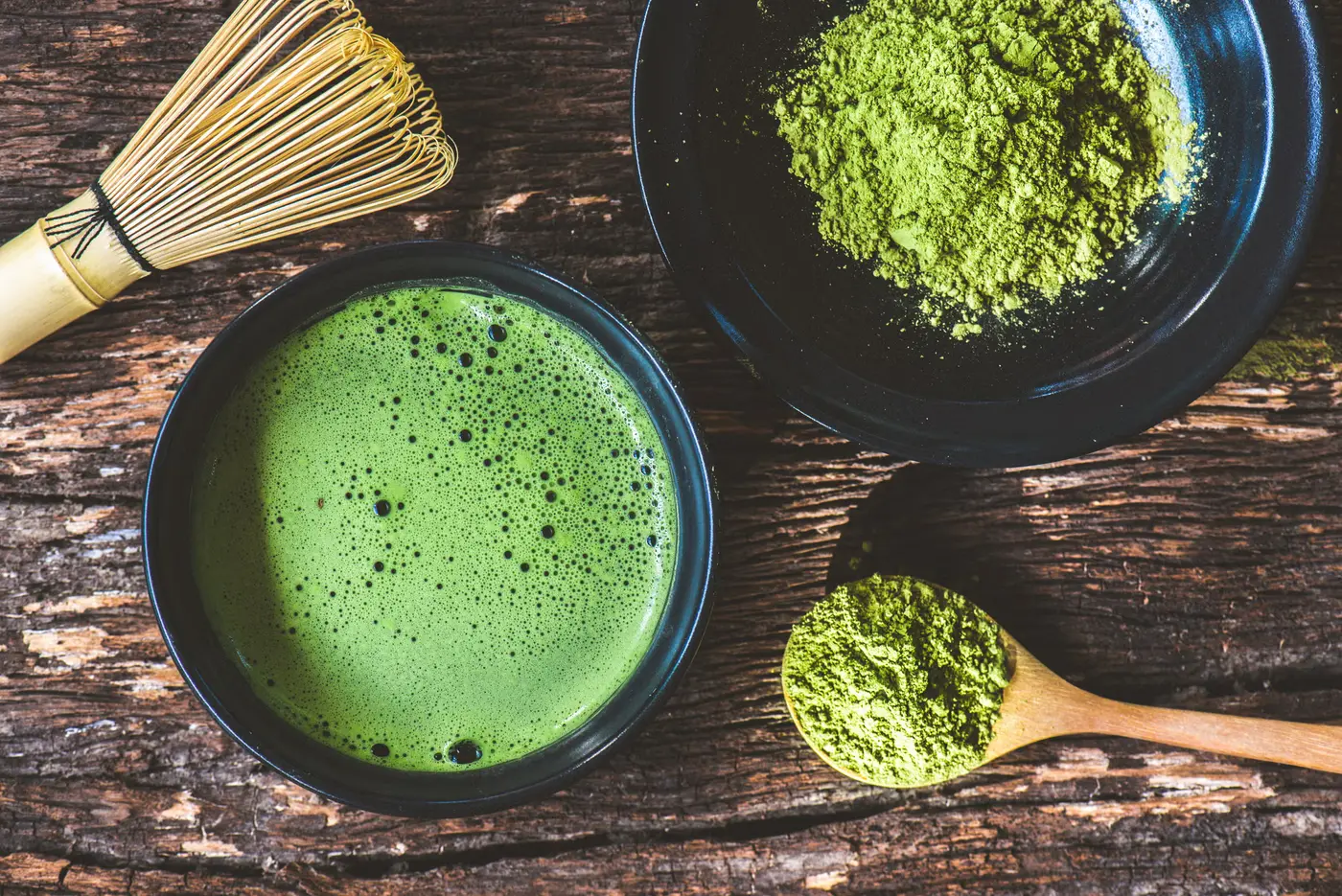
One bowl of usucha, in four numbers
This is the thin-tea method published by Ippodo Tea, the Kyoto tea house our calculators use as their baseline.
- 2g
Measure
About one level teaspoon of matcha, sifted into a warm bowl.
- 80°C
Cool the water
Off the boil to 176 °F. Hotter water pushes the bowl toward bitter.
- 60ml
Pour
Roughly 2 fl oz, a 1:30 ratio of powder to water by weight.
- 15s
Whisk
Brisk M-shaped strokes until a fine, even foam covers the surface.
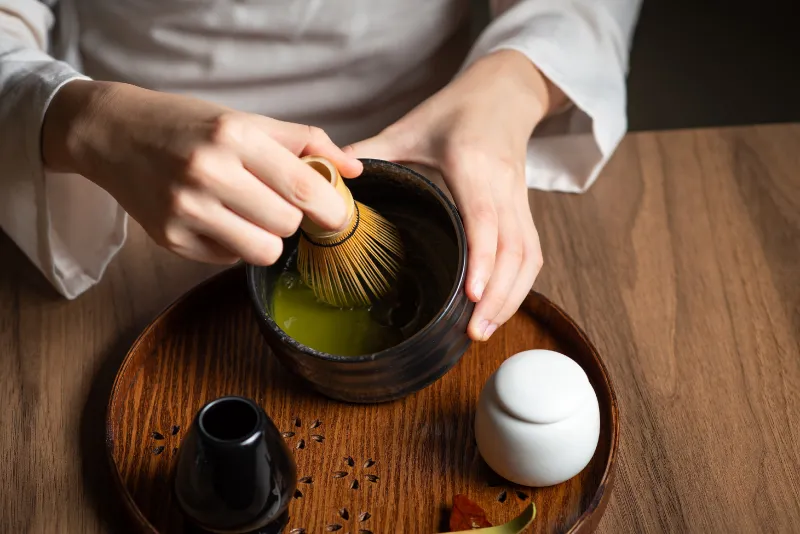
The method is old. The numbers make it repeatable.
A bamboo whisk, a warm bowl and water off the boil have made matcha for centuries. What changes from one morning to the next is the guesswork: a heaped spoon, water straight from the kettle, a few lazy strokes.
Start with the right water temperature, then learn how thin and thick matcha differ.
Five published koicha guides call for anywhere from 15 to 50 ml of water. We put those answers side by side instead of picking one quietly.
Sources on the page
Ratios come from Japanese producers’ own guides, caffeine from peer-reviewed studies and USDA data, prices from dated listings.
Disagreements shown
When reputable sources differ, you see every number and why, as in our usucha vs koicha guide.
Nothing invented
No made-up taste tests, reviews, or experts. Read how we work in our editorial policy.
Matcha calculators for the daily bowl
See all calculatorsMatcha Ratio Calculator
2.0 g in 60 ml at 176 °F
Pick usucha, koicha, a latte, or an iced latte and get exact grams of matcha, teaspoons, scoops, water, temperature, and milk for any number of servings.
Matcha Caffeine Calculator
38–89 mg in a 2 g bowl
Estimate the caffeine in your matcha by grams and grade, see how it compares with coffee and tea, and track your daily total against the FDA 400 mg guidance.
Caffeine Half-Life Calculator
About half gone in 5 hours
See how much caffeine from your matcha is still in your system at bedtime, with a 12-hour decay curve based on caffeine's roughly five-hour half-life.
Matcha Cost Calculator
$0.36–$6.40 a bowl
Find your cost per homemade matcha, how many servings a tin makes, and how much you save each week and year versus buying matcha lattes at a café.
More specific: Koicha Ratio Calculator, Matcha Latte Ratio Calculator, Iced Matcha Latte Calculator, Matcha Batch Calculator for a Crowd, Matcha Latte Caffeine Calculator, Matcha vs Coffee Caffeine Calculator, Matcha Before Bed Calculator, Matcha Latte Cost Calculator, Ceremonial Matcha Cost per Cup Calculator
Start here: matcha guides
All guidesMatcha to Water Ratio: Usucha, Koicha & Latte Chart
The standard matcha to water ratio is 2 g to 60 ml at 80 °C. Here is the gram chart for usucha, koicha and lattes, and where the big sources disagree.
7 min
How Much Caffeine Is in Matcha? Per Gram, Tsp & Cup
Matcha has roughly 19–44 mg of caffeine per gram. Here’s what that means for usucha, a latte and koicha, and why one tin can differ from the next.
7 min
Ceremonial vs Culinary Matcha: What the Labels Mean
“Ceremonial grade” is a marketing label, not an official Japanese grade. What actually differs between ceremonial and culinary matcha, and which one to buy for each use.
7 min
Matcha Cost Per Cup: Home vs Cafe, With Real Prices
Homemade matcha costs about $0.36–$6.40 per 2 g bowl at US list prices checked October 2026. Price per gram across 3 brands, tin sizes, lattes and café drinks.
7 min
Why Is My Matcha Bitter? 7 Causes and Exact Fixes
Bitter matcha almost always traces back to water above 80 °C, too much powder, stale powder, grade, clumps, weak whisking or an unbalanced latte. Here’s the fix for each.
7 min
Matcha Latte Ratio: Grams per Cup Size, Hot or Iced
The classic matcha latte ratio is 3 g matcha, 100 ml water and 100 ml milk. Gram charts for 8 to 20 oz cups, hot and iced, with caffeine per drink.
7 min